9 hr 30 min
Salzburg Day Trip from Munich by Train
- Expert local guide
- Small group
- Skip-the-line access
- Free cancellation
Munich To Salzburg And Hallstatt Day Trip — Rail, Coach & Private Options
Mozart's city by morning, a lakeside village by afternoon.
Compare fares, pick the fit — all bookings are mobile-voucher and eligible for free cancellation where shown.
9 hr 30 min
11 hr
10 hr
| Experience | From | Duration | Rating | Skip-the-line | Guide | Small group | Price | |
|---|---|---|---|---|---|---|---|---|
|
Guided Experience
Most popular
Salzburg Day Trip from Munich by Train
|
Munich by Train | 9 hr 30 min | ★ 4.7 | ✓ | ✓ | ✓ | €79 | Book → |
|
Guided Experience
Salzburg and Salzkammergut Day Tour from Munich
|
Munich | 11 hr | ★ 4.4 | ✓ | ✓ | ✓ | €74 | Book → |
|
Guided Experience
Full-Day Alpine Tour: Salzburg, Hallstatt & Wolfgangsee from Munich
|
Munich | 10 hr | ★ 5.0 | ✓ | ✓ | ✓ | €332 | Book → |
Worth it for first-timers, skippable for slow travellers
A munich to salzburg and hallstatt day trip buys you transport and sequencing, not entry: Hallstatt village itself charges 0 EUR, open 00:00–23:59 daily, so the coach fare is essentially the cost of not driving 550km round-trip yourself. What you get is a UNESCO lakeside village on the Hallstätter See, the Salzach old town, Mozart's birthplace and baroque squares, plus Wolfgangsee or Salzkammergut lake stops on the wider Alpine itineraries. Salzburg Old Town landmarks and the salt-mine heritage that named the region carry the day even at speed. The compressed guided tours pay off for one-shot visitors without a car; independent travellers with three days should base in Salzburg instead and reach Hallstatt by rail. Private options exist for groups wanting an unrushed pace and a 09:00–11:00 Hallstatt arrival before the coach wave lands.
Bottom line: Book the munich to salzburg and hallstatt day trip tickets if this is your only shot at the Salzkammergut — otherwise sleep in Salzburg and take your time.
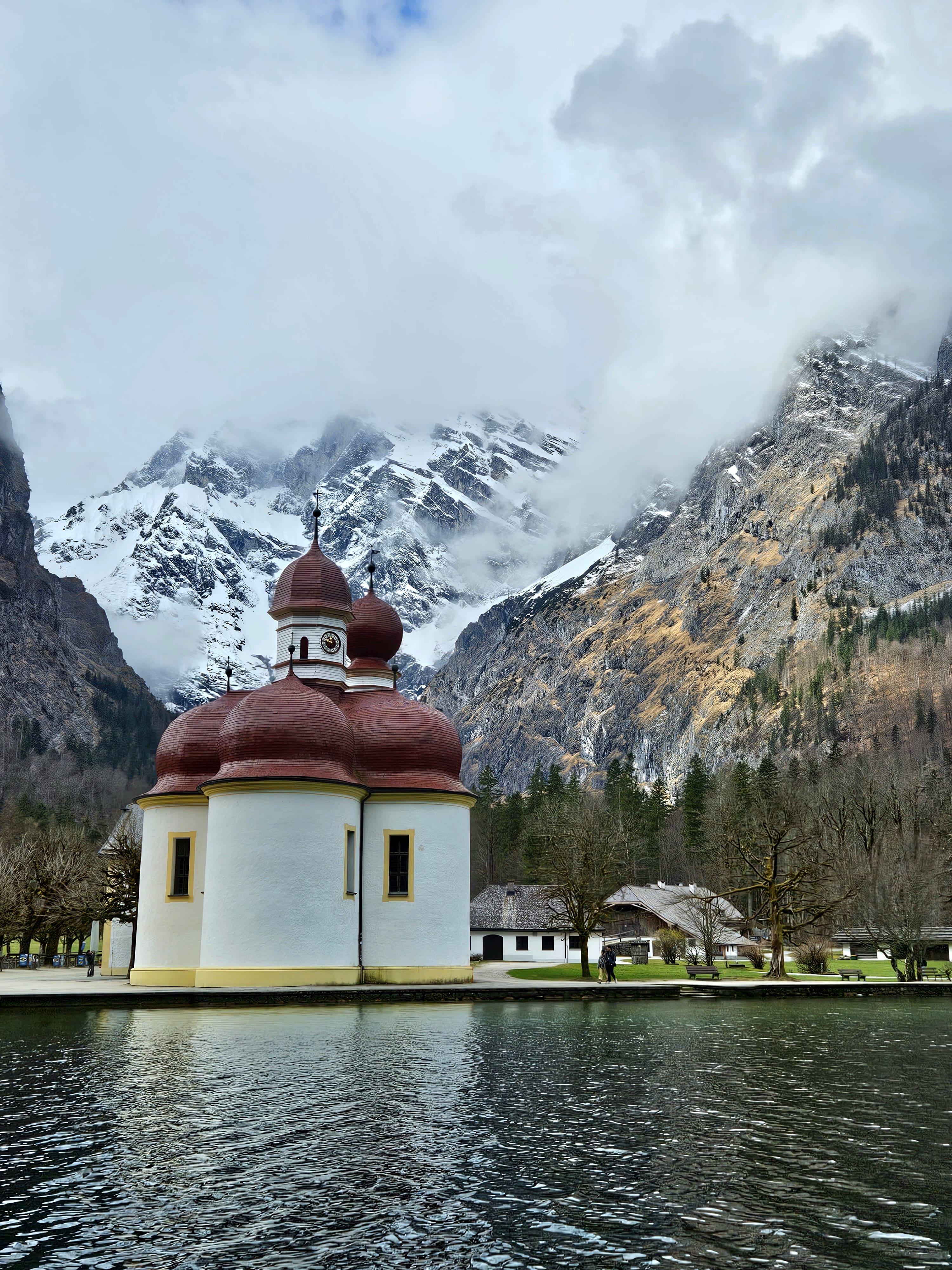
Hallstatt offers a concentrated cultural experience defined by historic architecture, whereas Berchtesgaden serves as a nature-focused retreat for travelers prioritizing alpine landscapes. Many visitors who explore these munich to salzburg and hallstatt day trip tours find that the former excels in charm, while the latter provides superior outdoor adventure.
|
Top pick Hallstatt |
Berchtesgaden/Königssee | |
|---|---|---|
| Village Architecture | 16th-century Alpine style | Bavarian market town style |
| Alpine Scenery | Lake and mountain slope | High-altitude peaks and fjords |
| Accessibility from Munich | 2.5–3 hours via Salzburg | 2 hours by direct road |
| Historical Depth | Salt mining industry heritage | World War II and monarchy history |
| Crowd Density | High volume, concentrated | High volume, dispersed throughout park |
| See tickets & prices |
Verdict: Choose Hallstatt if you seek the classic munich to salzburg and hallstatt day trip tour aesthetic, or select Berchtesgaden if you prefer rugged wilderness over crowded streets when using your munich to salzburg and hallstatt day trip tickets.
Hand-picked experiences loved by thousands of travelers
12 hours
Free Cancellation
Full-day chauffeured journey visiting Mozart's city and Austria's lakeside gem with scenic Alpine transfers
10 hours
Free Cancellation
Luxury private tour through Bavaria and Austria visiting UNESCO-listed Hallstatt and Mozart's Salzburg
9 hours
Free Cancellation
Escape to Austria's alpine beauty with a private tour visiting Heaven's Gate viewpoint and Hallstatt village
1 day
Free Cancellation
Beat the tourist rush with a dawn train ride to Austria's baroque gem and explore at your leisure
10 hours
Free Cancellation
Discover Bavaria's stunning alpine lake and descend into historic salt caverns on this full-day adventure
10 hours
Free Cancellation
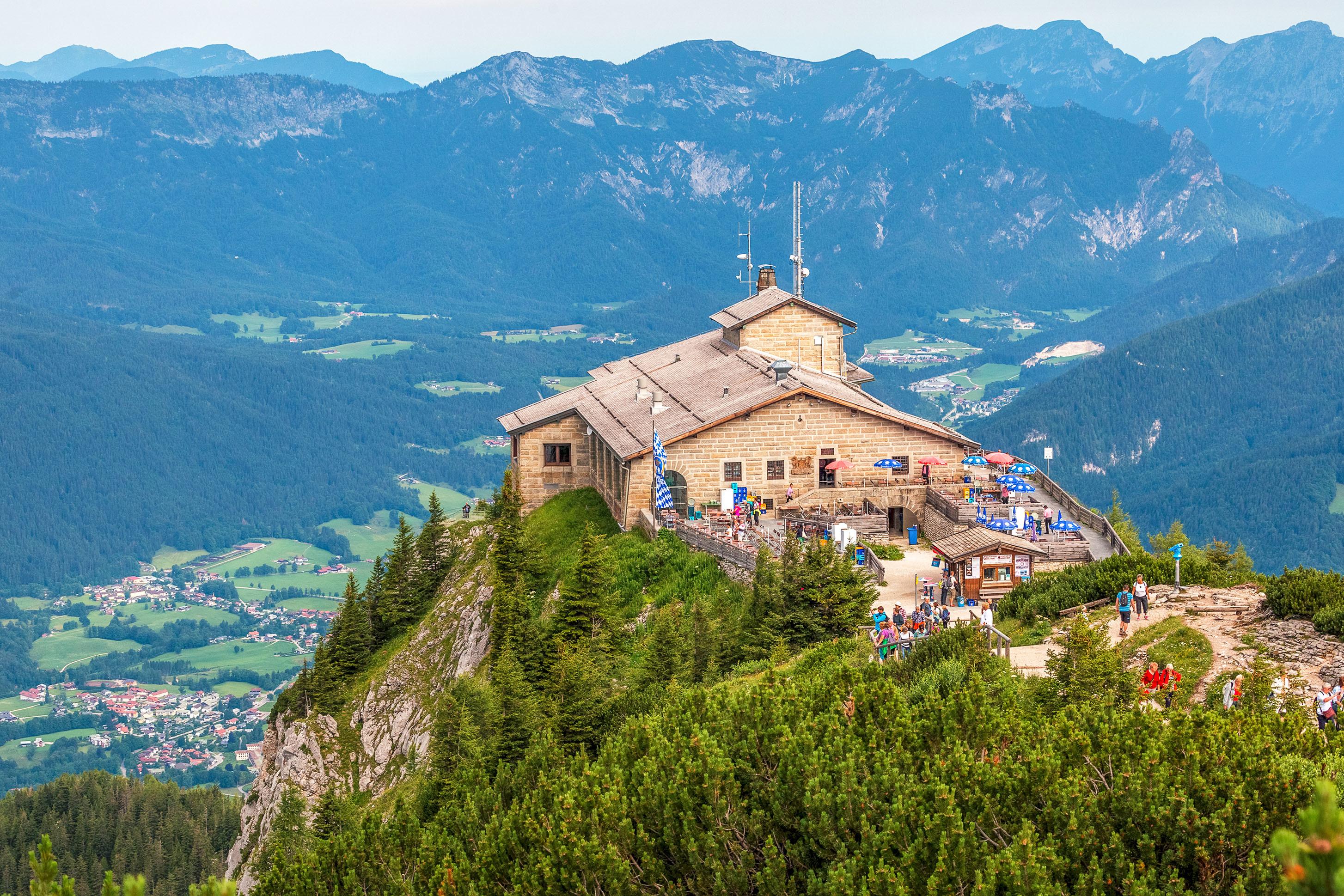
Discover Bavaria's alpine beauty with mountain vistas, historical sites, and optional Eagle's Nest visit
4 - 6 hours
Free Cancellation
Door-to-door private transport between Munich and Salzburg with optional stops at attractions en route
10 - 10.5 hours
Free Cancellation
Explore two royal Bavarian palaces on a guided coach journey through Alpine landscapes and fairy-tale history
Arrive by 09:00–11:00 at the designated parking or bus area.
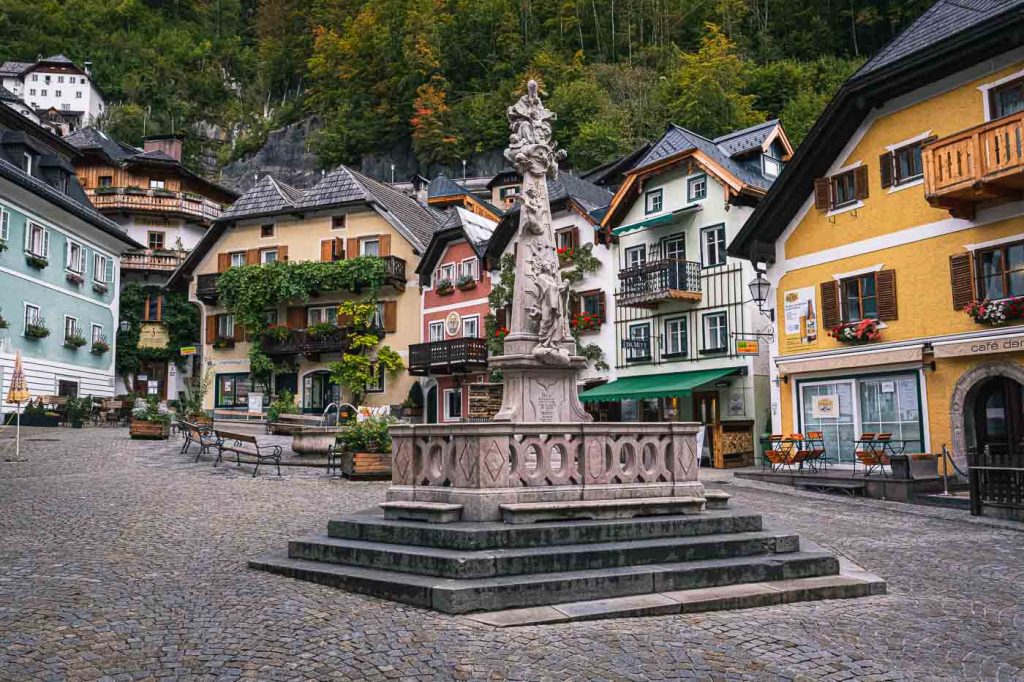
Explore the historic center and central fountain.
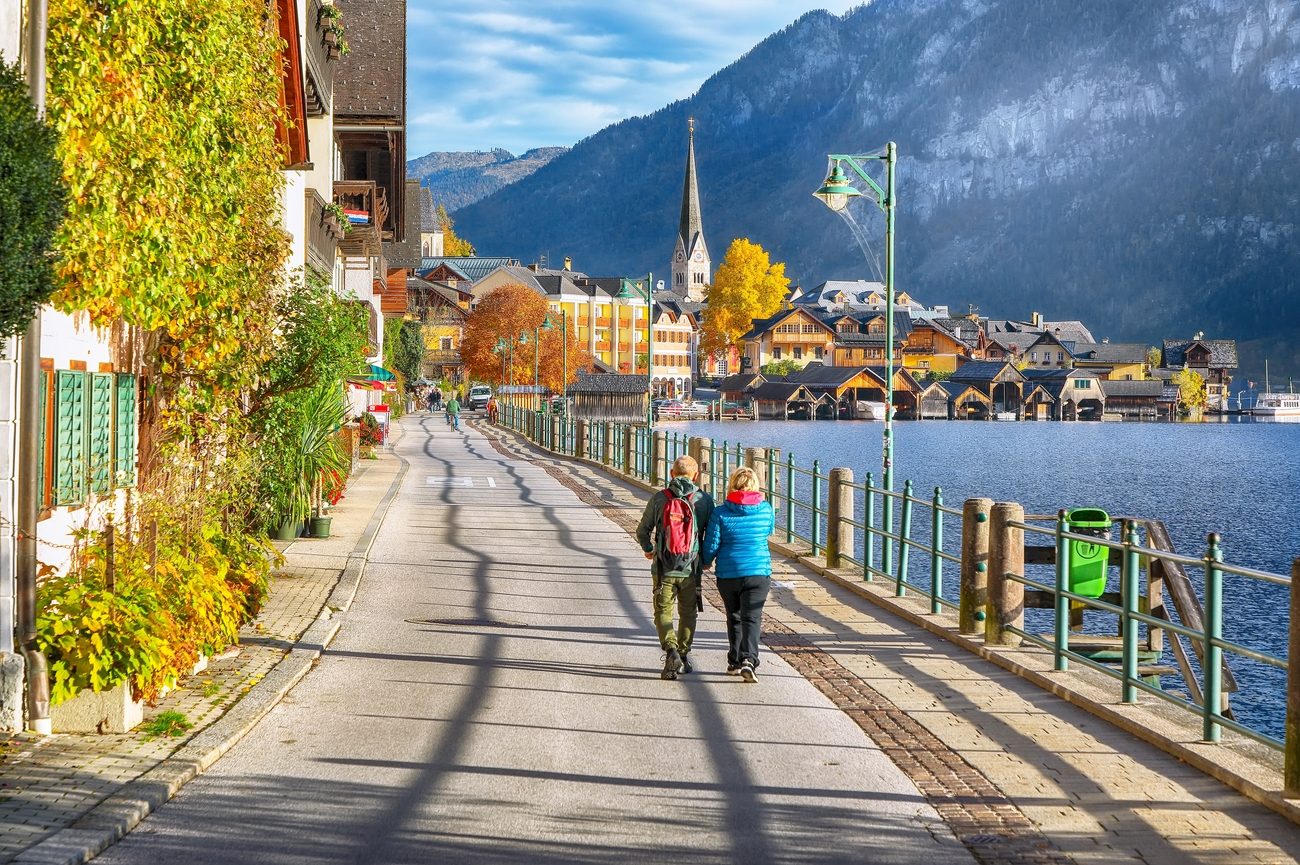
Stroll along the path for views of the church.
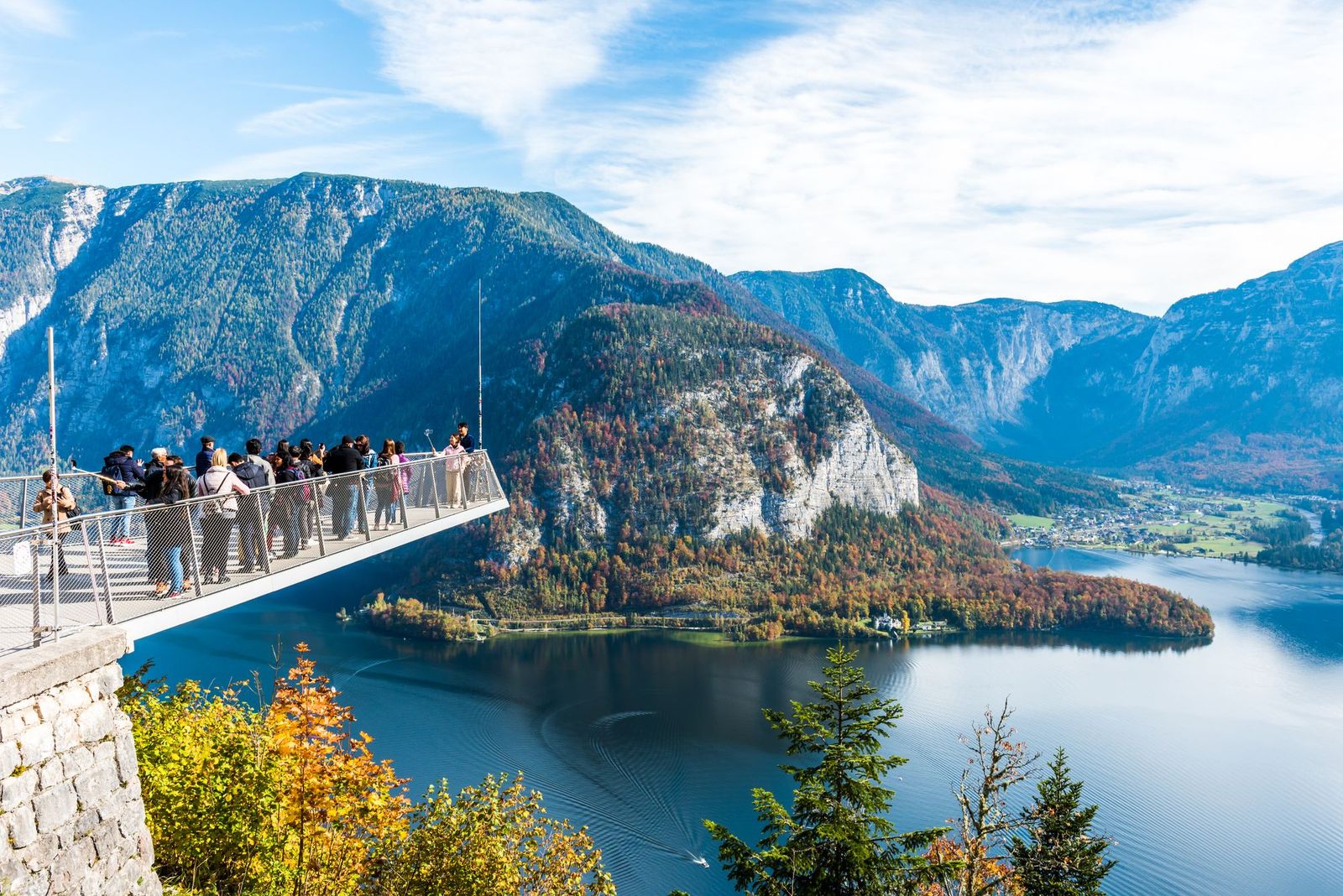
Walk toward the northern end for the classic outlook.
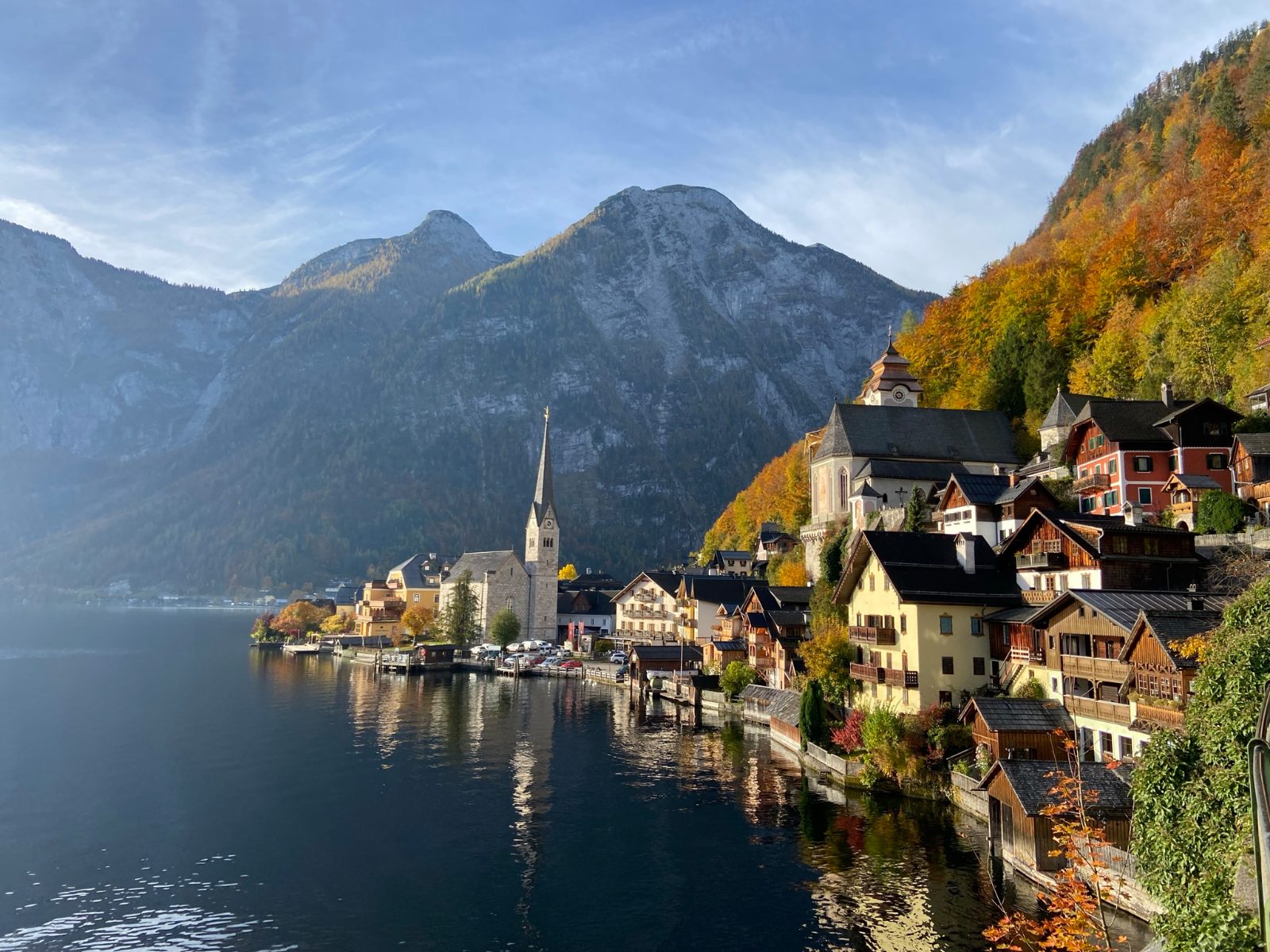
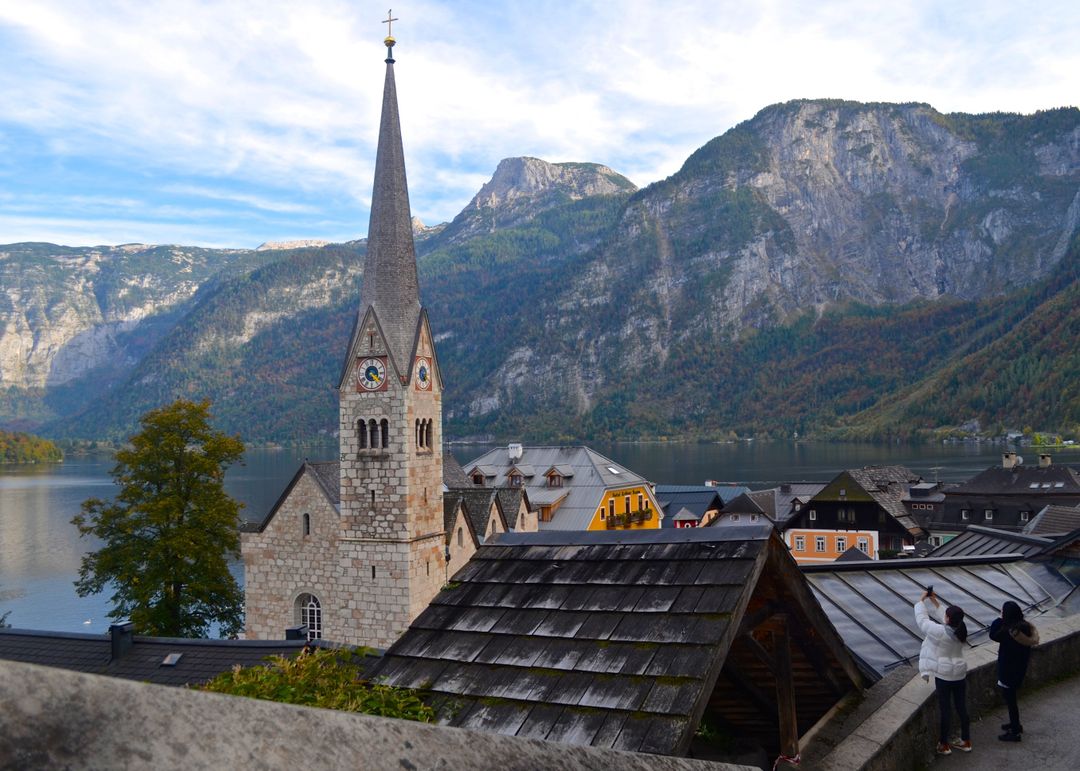
This landmark features a slender spire that defines the village skyline from across the lake. The structure was completed in 1863 and is a focal point for photographers.
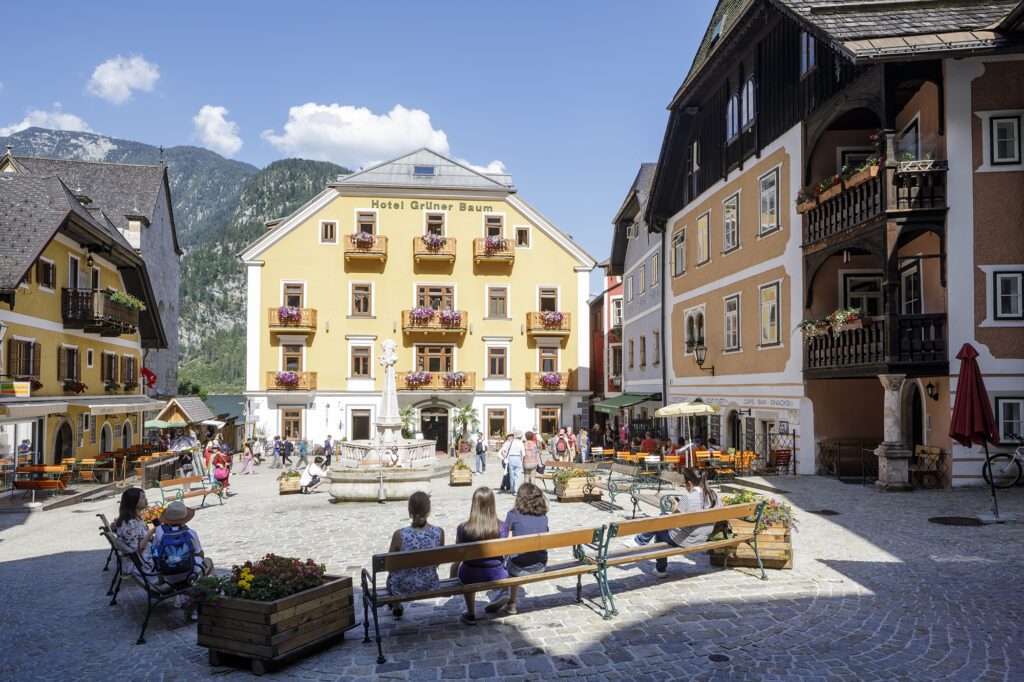
This square is surrounded by classic Alpine houses and a central fountain that dates back centuries. It serves as the historic commercial heart of the village.
This unique historical site contains over 1,200 skulls, many of which have been artistically painted and labeled. It reflects local traditions dating back to the 12th century.
The deep, clear water provides the backdrop for the entire village. It has been a vital trade route and resource for the community for thousands of years.
This spot offers the famous perspective of the village looking back toward the church tower. It remains the most requested vantage point for visitors arriving in the region.
You leave Munich early, and the choice you made at booking shapes the day: a train transfer for a munich to salzburg and hallstatt day trip tour, a shared coach through the Salzkammergut, or a private car that adds Wolfgangsee to the route.
Aim to reach the village inside the 09:00–11:00 window — day-trip crowds thicken after that, and parking is limited.
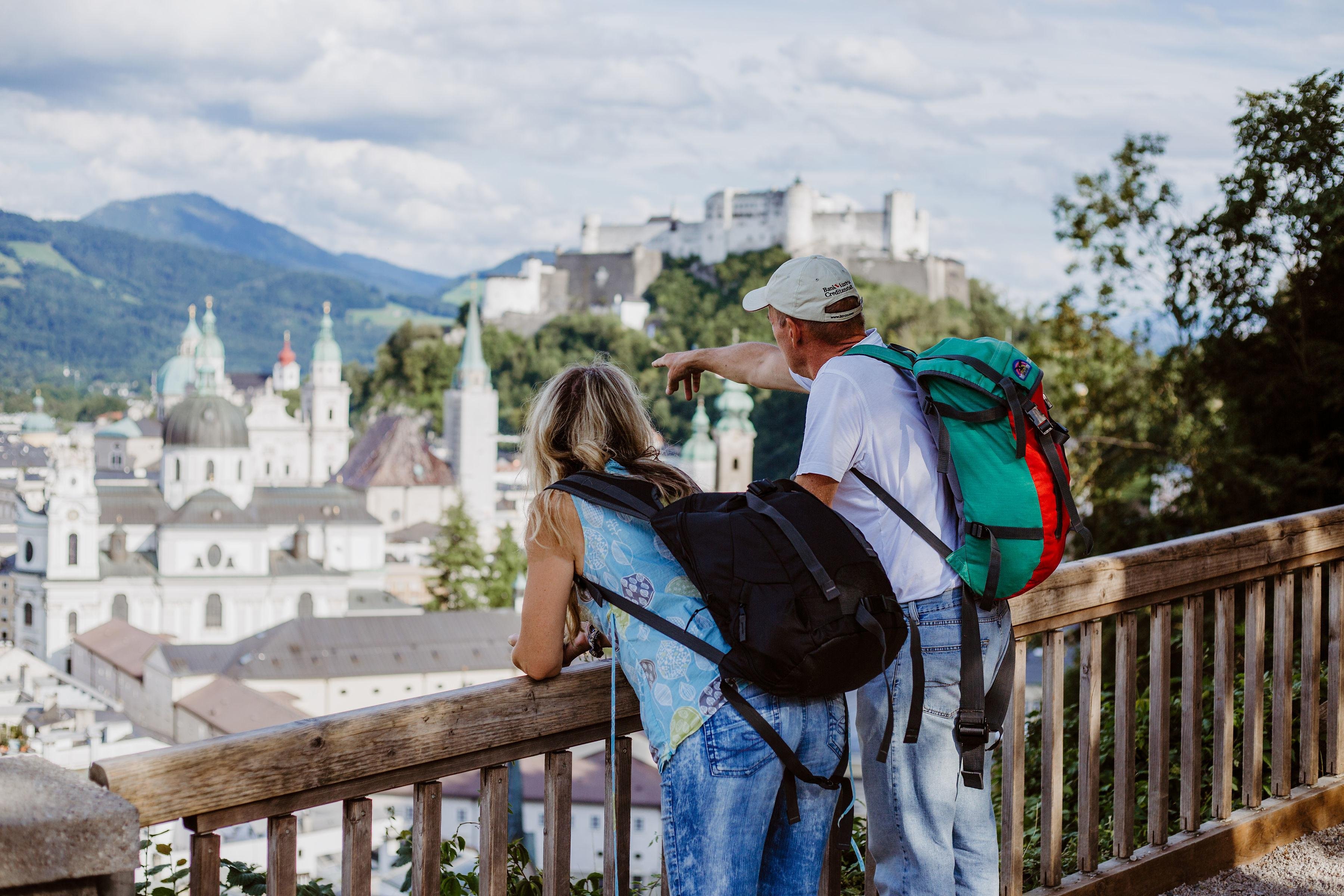
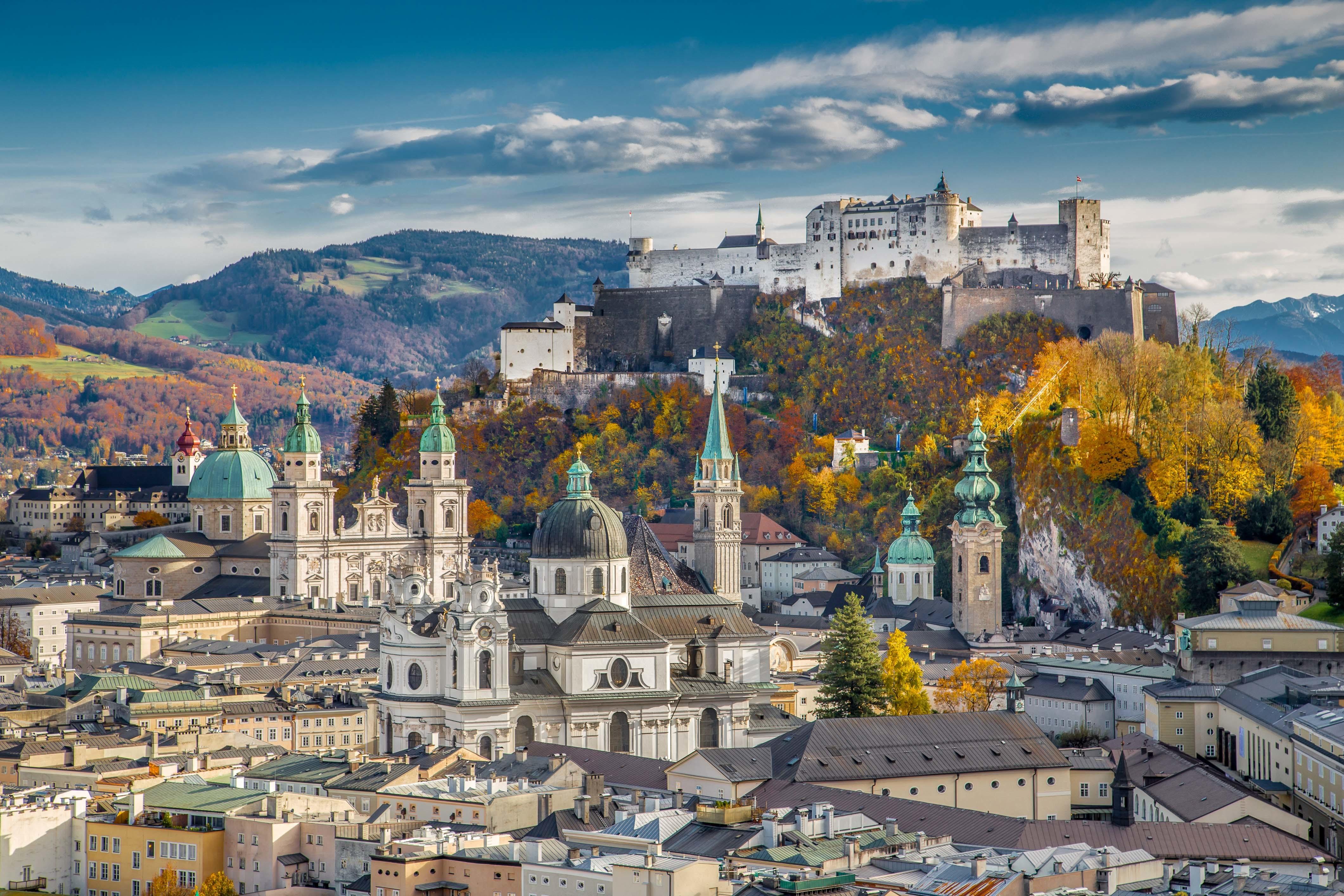
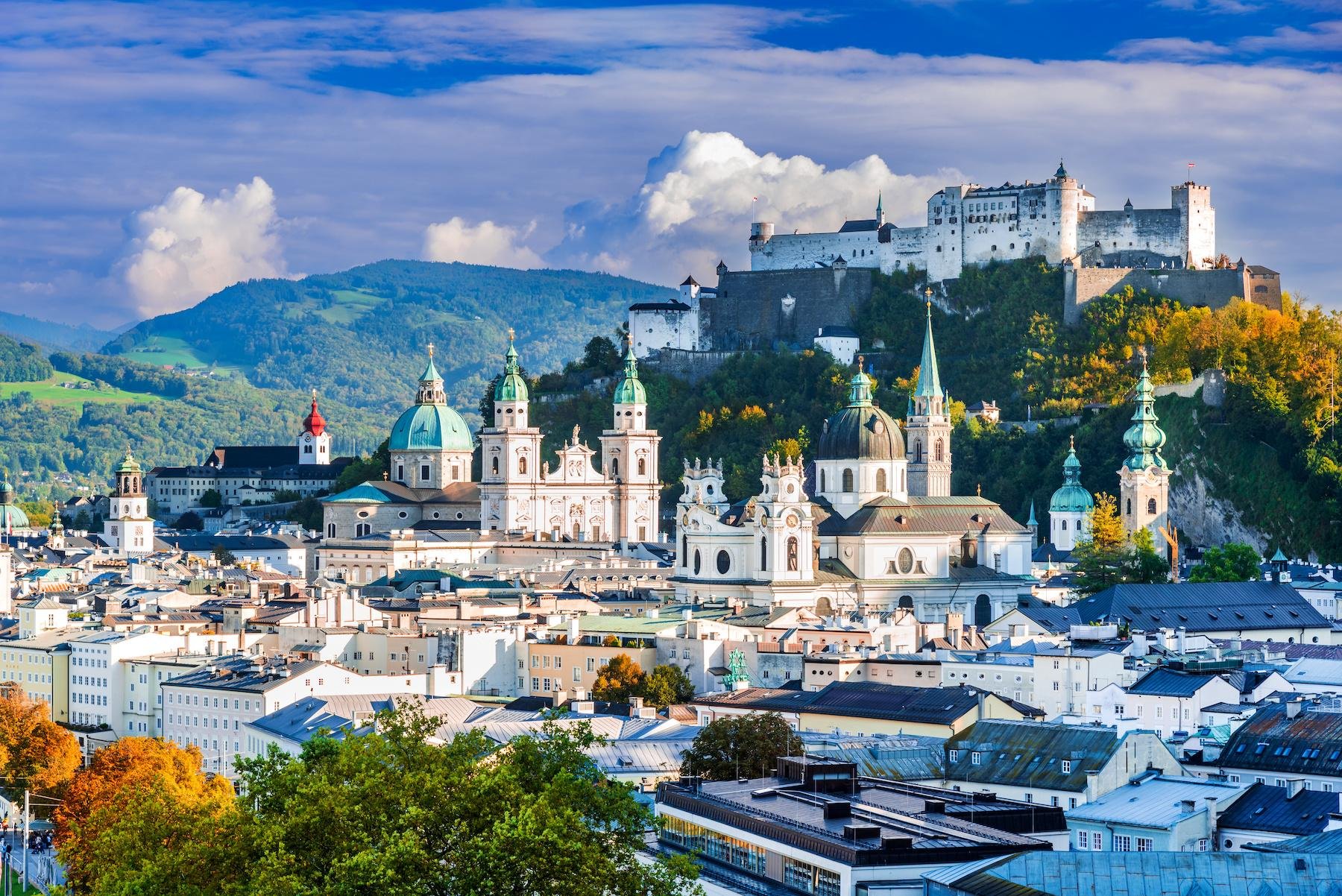
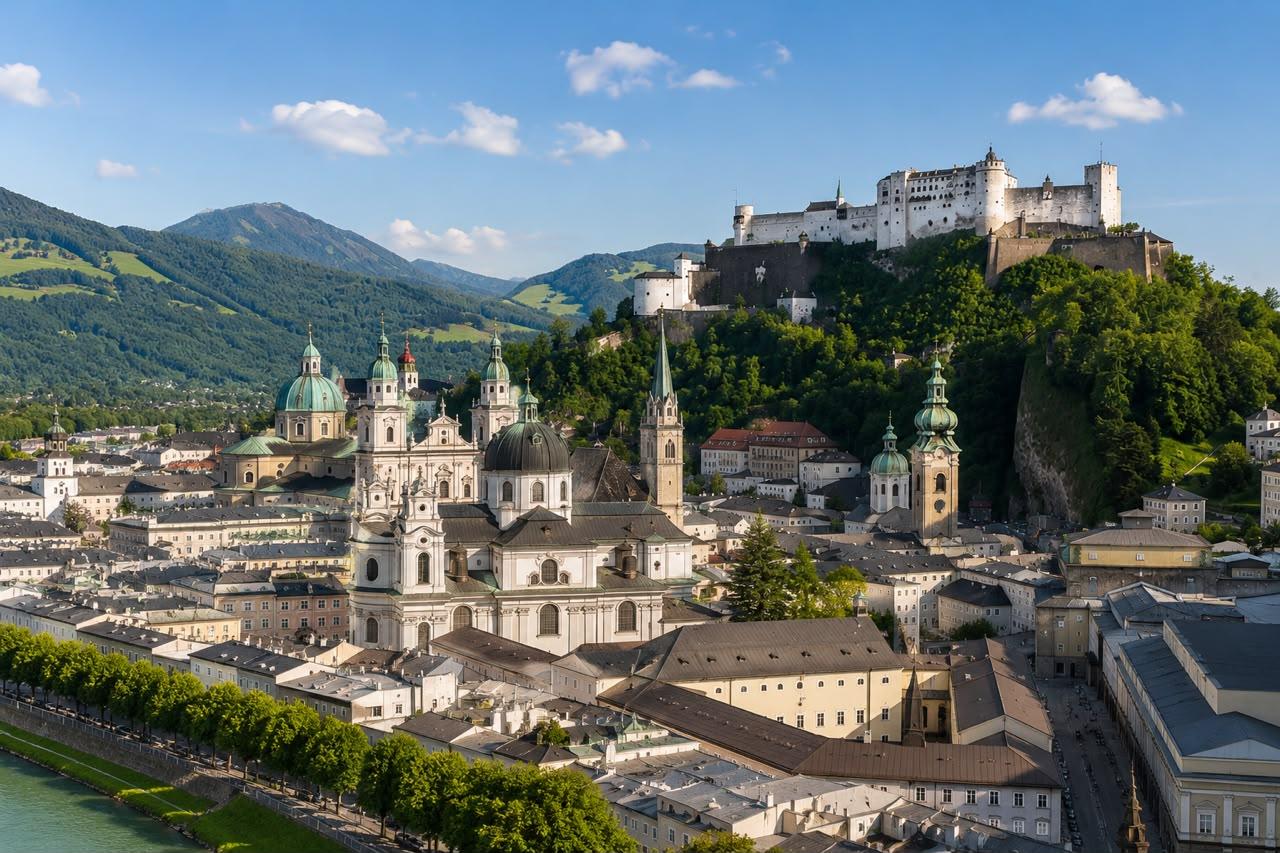
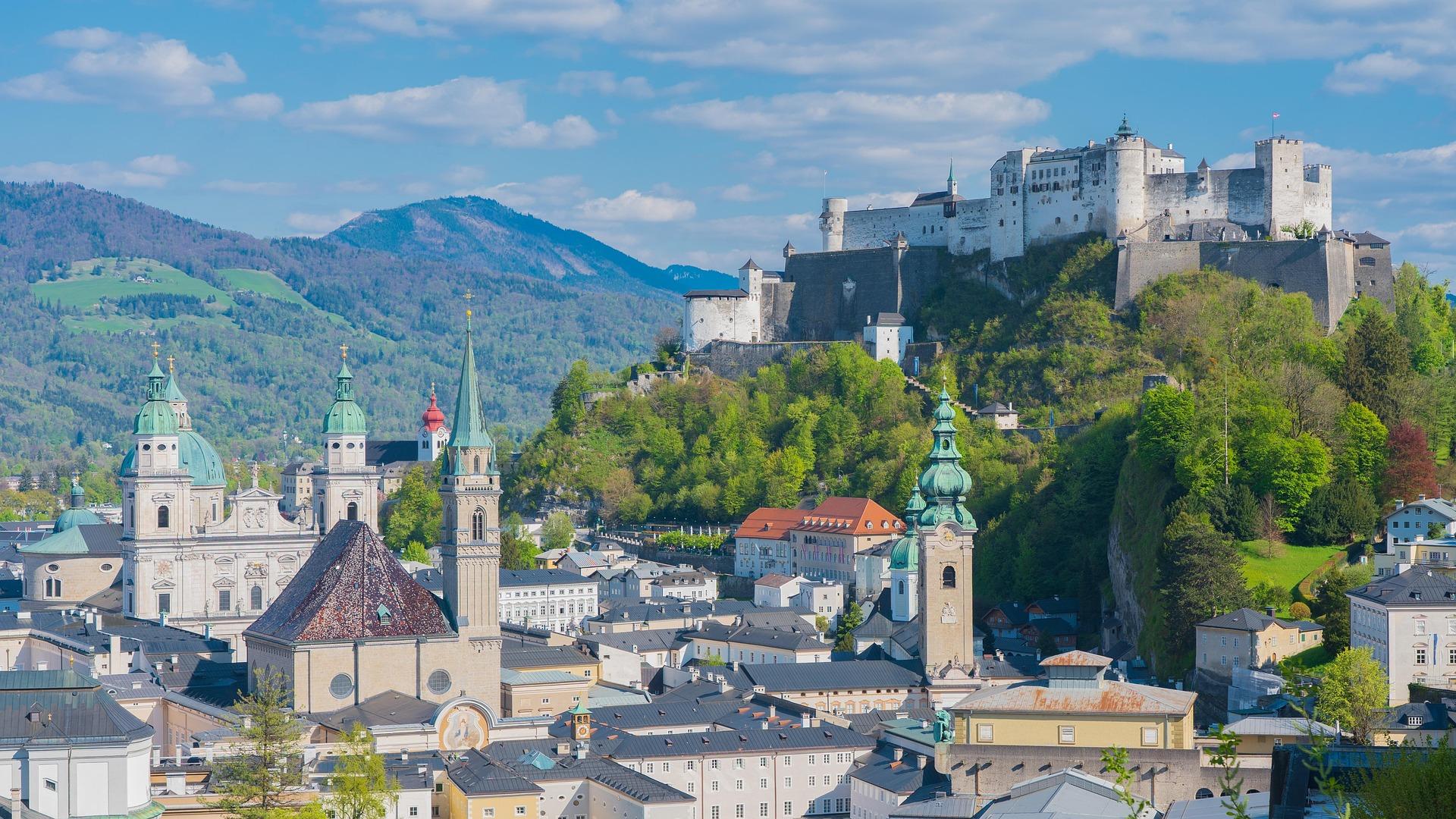
In Salzburg you cross the Salzach and enter Getreidegasse under the iron guild signs. You pass number 9, the yellow house where Mozart was born. You climb, or ride the funicular, to the Hohensalzburg for the terrace view of the Untersberg. You pause in Domplatz, where the Baroque facade closes the square on three sides.
Then the road bends east into the lake district. You watch Mondsee and Wolfgangsee pass the window before the valley narrows. In Hallstatt you walk the lakeside path into Marktplatz, where the square opens for perhaps forty paces. You climb the stairs to the parish church, look down onto the roofs, and continue to the Beinhaus with its painted skulls. Boats cross toward the far shore. The village costs nothing to enter — 0 EUR — though the salt mine and the skywalk sell their own tickets.
By late afternoon you are back on the coach, and the Alps close behind you as Bavaria returns.
All the details about your upcoming adventure in one place
Hallstatt gave its name to an entire epoch of European prehistory. Archaeologists call the period from roughly 800 to 450 BC the Hallstatt culture, after the graveyard excavated above the village in the nineteenth century. More than 1,500 burials were catalogued there. The reason was salt.
The Salzberg above the houses holds the oldest known salt mine on earth, worked continuously for some seven thousand years. A prehistoric miner, preserved in salt, was recovered in 1734.
Salzburg's fortunes rest on the same mineral. The name means salt fortress. The Hohensalzburg, begun in 1077 under Archbishop Gebhard, was funded by the prince-archbishops who taxed salt barges on the Salzach. Their wealth bought Italian architects. Vincenzo Scamozzi and Santino Solari gave the city a Baroque core so coherent that UNESCO inscribed the historic centre in 1996; Hallstatt-Dachstein and the Salzkammergut cultural landscape followed in 1997. A modern munich to salzburg and hallstatt day trip threads these two listings together in a single day, crossing the old Bavarian-Austrian frontier that once regulated the salt trade.
The architecture rewards attention. Salzburg's Dom, consecrated in 1628, is early Baroque of Roman ambition, its dome rising above a square where Jedermann has been staged during the Festival since 1920. Getreidegasse, narrow and vaulted, carries the wrought-iron guild signs that predate literacy in shop naming; at number 9, Mozart was born in 1756. Mirabell Palace and its geometric gardens date from 1606 and 1690 respectively.
Hallstatt is smaller and stranger. The village occupies a ledge perhaps thirty metres wide between the Dachstein massif and the lake, which is why its Lutheran church spire and the ochre houses stack vertically rather than spreading. Land was so scarce that the parish charnel house, the Beinhaus, holds over 600 painted skulls, decorated with names and floral wreaths, a practice recorded from about 1720 into the 1990s. Salt-mine timbers found in the tunnels have been dendrochronologically dated to 1344 BC.
Why this pairing matters now is partly geological and partly literary. The Salzkammergut served as the Habsburg imperial summer retreat, and Franz Joseph's presence at Bad Ischl drew composers, Lehár among them, into the lake district. A Chinese developer built a full-scale replica of the village in Guangdong in 2011, an act of homage that made the original one of Europe's most photographed settlements. Guided munich to salzburg and hallstatt day trip tours now follow a route that mirrors the historic salt road. Entry to the village itself remains free, at 0 EUR, though individual attractions inside charge separately. The lake, the mine and the Baroque city belong to one economy of stone, water and salt.

Salt built the fortress, the Baroque city and the village on the ledge — three chapters of a single economy.
Casual and comfortable clothing is recommended for a munich to salzburg and hallstatt day trip. Ensure you wear sturdy walking shoes as the village features cobblestone streets and inclines.
There are no security checkpoints for entering the village. Keep personal belongings secure while navigating the crowded pathways during a munich to salzburg and hallstatt day trip.
Photography is permitted in public spaces. Be mindful of residents' privacy when capturing images of private homes during your munich to salzburg and hallstatt day trip.
The village is family-friendly, though narrow streets can make strollers difficult to navigate. Consider a carrier for younger children during your munich to salzburg and hallstatt day trip.
While the main waterfront path is relatively flat, many side streets in Hallstatt are steep and involve stairs. Visitors with limited mobility should plan their munich to salzburg and hallstatt day trip route carefully.
Numerous cafes and restaurants operate within the village. You are welcome to carry water and snacks during your munich to salzburg and hallstatt day trip.
Opening Hours
00:00–23:59
Address
Hallstatt, 4822, Austria
Accessibility
Village center is pedestrian-only
Arrival
09:00–11:00
Official Site
https://www.hallstatt.at
Public transport · 2.5h from Salzburg · Train fare applies
Take the train to Hallstatt station followed by a short ferry ride across the lake.
Car · 1.5h from Salzburg · Parking fees vary
Follow B166 to reach the designated P1 or P2 parking lots outside the village core.
As this is a public village, there is no entry fee. For organized munich to salzburg and hallstatt day trip tours, please refer to the specific operator policy regarding refunds.
Recommended time
4-6 hours
Executing a munich to salzburg and hallstatt day trip requires careful pacing to balance travel with village exploration. Visitors opting for munich to salzburg and hallstatt day trip tours should note that the best arrival window is 09:00–11:00 to avoid heavy day-trip crowds and secure limited parking. Choosing organized munich to salzburg and hallstatt day trip tickets often streamlines transport logistics, while independent travelers should allow extra buffer time for the scenic alpine mountain roads and potential ferry queues across Lake Hallstatt.
Crowd levels through the day
Weather · crowds · average price — dots go green to amber to red as each metric rises.
Mild temperatures and thinner crowds before the summer rush.
Warmest weather, ideal for a munich to salzburg and hallstatt day trip, but expect high visitor numbers.
Crisp air and vibrant foliage, perfect for photography.
Quiet and snowy, though some higher elevation paths may close.
Arrive between 09:00–11:00 to avoid the peak influx of tourists and secure parking.
Wear comfortable shoes, as the village is best explored entirely on foot.
Carry cash, as smaller shops may not accept cards for minor purchases.
Check forecasts, as mountain weather can change rapidly during your munich to salzburg and hallstatt day trip.
Hallstatt is a residential village, so please keep noise levels low and avoid entering private properties.
Südtiroler Platz, Salzburg
Common departure point for a munich to salzburg and hallstatt day trip tour.
Get directionsSalt made this valley. Miners cut the first shafts above Hallstatt around 1500 BC, and the Iron Age culture excavated here from 1846 by Johann Georg Ramsauer gave its name to an entire European epoch: the Hallstatt period, roughly 800 to 450 BC. Ramsauer documented 980 graves in watercolour, an unusual discipline for his century. The wooden staircase found in the Christian von Tuschwerk shaft, dated by dendrochronology to 1344 BC, remains the oldest surviving staircase in Europe. Any visitor arriving on a munich to salzburg and hallstatt day trip is walking above a mine worked continuously for some 7,000 years. Salzburg's fortunes ran on the same mineral. Archbishop Wolf Dietrich von Raitenau, ruling from 1587, demolished the medieval cathedral quarter and rebuilt the city in Italian Baroque; his successors completed the Dom in 1628. Fischer von Erlach added Kollegienkirche between 1696 and 1707. The prince-archbishopric ended in 1803 with secularisation, and Salzburg passed to Austria in 1816. Mozart, born on Getreidegasse in 1756, became the city's second export after salt. Salzburg landmarks and the Salzkammergut lakes were bound together by the 1877 Salzkammergutbahn, which first made a same-day pairing practical. Near-disaster is part of the record. Fire destroyed much of Hallstatt's lakefront in 1750, prompting the stone-and-timber rebuilding visible now. Salzburg lost roughly 46 percent of its buildings to Allied bombing in 1944 and 1945, though the cathedral dome was rebuilt by 1959. UNESCO inscribed Salzburg's Altstadt in 1996 and the Hallstatt-Dachstein cultural landscape in 1997. What survives is legible. The Beinhaus in St Michael's Chapel holds over 1,200 painted skulls, the oldest dated 1720. Entry to the village itself costs 0 EUR, and modern munich to salzburg and hallstatt day trip tours retrace an old salt road. Compare durations across the listed munich to salzburg and hallstatt day trip tickets before choosing a munich to salzburg and hallstatt day trip tour.
Dendrochronology dates the wooden staircase in the Christian von Tuschwerk shaft, Europe's oldest.
The Iron Age culture centred on Hallstatt's cemetery defines the Hallstatt period across Europe.
Archbishop Wolf Dietrich von Raitenau begins the Baroque rebuilding of Salzburg's old town.
Fire destroys much of Hallstatt's lakefront, forcing the stone-and-timber reconstruction seen today.
Johann Georg Ramsauer starts excavations that document 980 Iron Age graves in watercolour.
The Salzkammergutbahn opens, linking Salzburg to the lake district by rail.
Allied bombing destroys roughly 46 percent of Salzburg's building stock.
UNESCO inscribes Salzburg's Altstadt, then the Hallstatt-Dachstein cultural landscape.
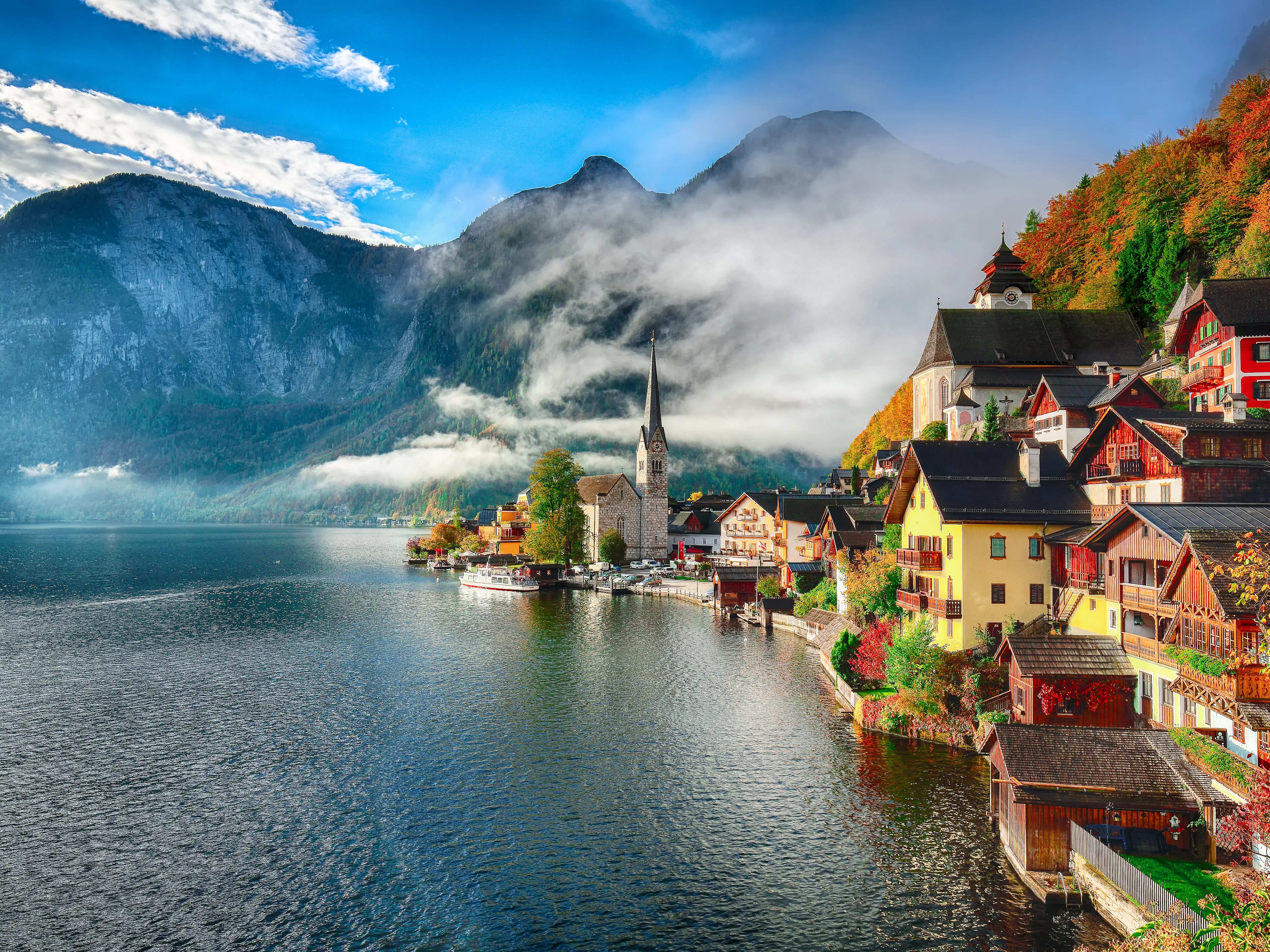
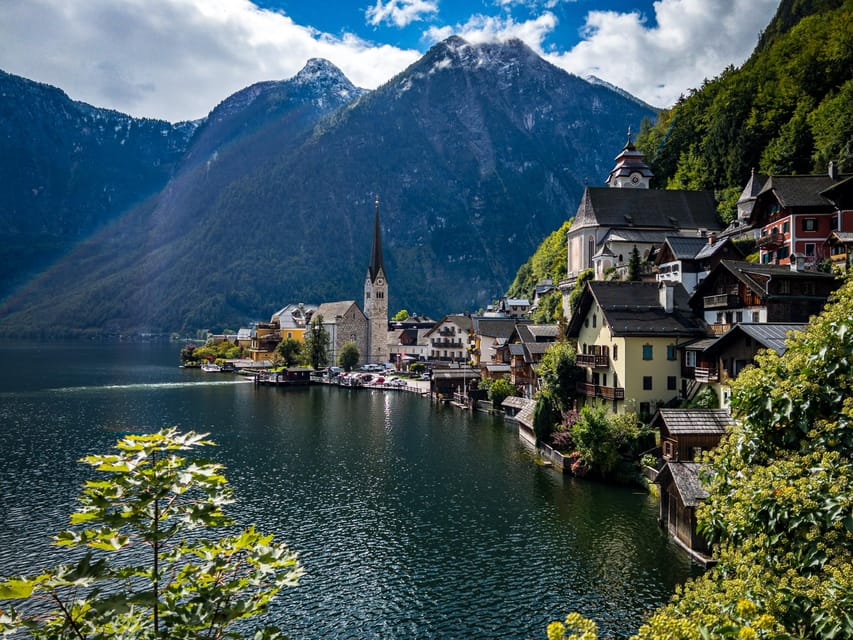
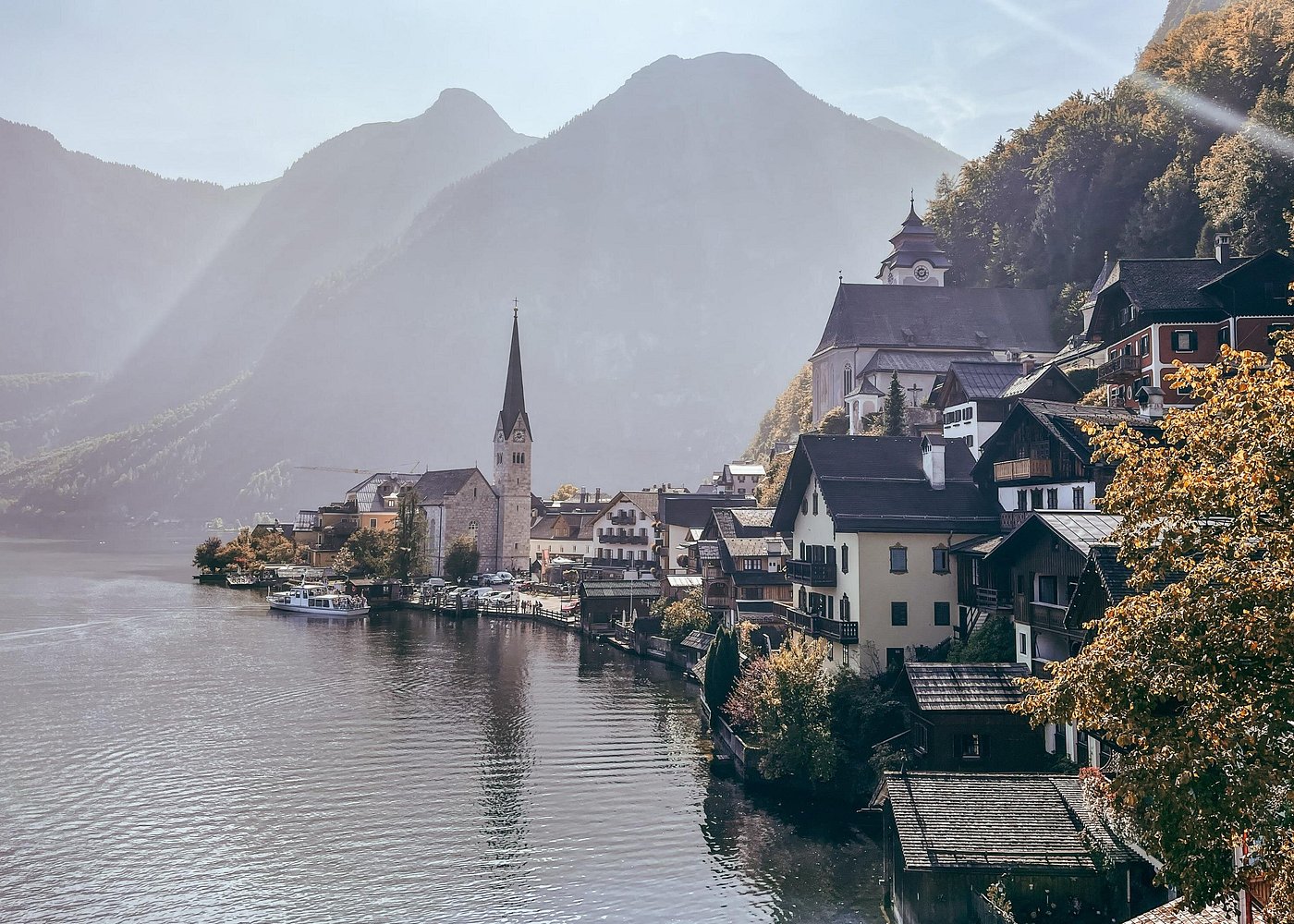
Stand at the northern edge of the village along the Gosaumühlstraße road to capture the iconic perspective of the Lutheran Church spire against the mountain backdrop. This location is the quintessential shot for a munich to salzburg and hallstatt day trip.
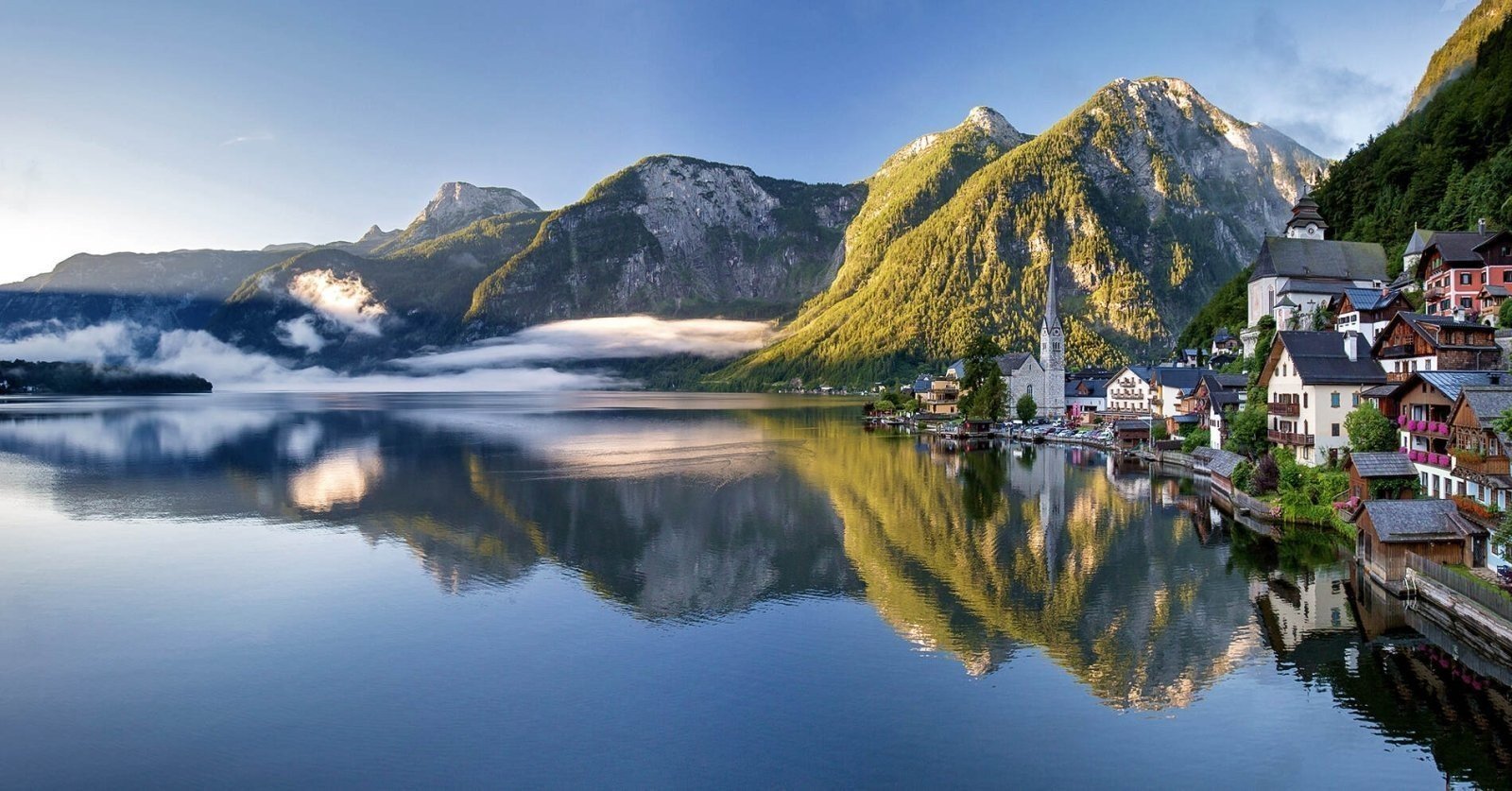
Position yourself near the lakeshore path to frame the reflection of the historic architecture in the calm waters of the lake. The alpine scenery provides a dramatic natural contrast to the town's timber structures.
Walk along the main pedestrian thoroughfare to photograph the colorful houses and flower-lined balconies that define the local charm. This path offers clear lines of sight toward the peaks for those interested in munich to salzburg and hallstatt day trip tours.
Capture the traditional fountain and surrounding ornate buildings in the heart of the village, which serve as a cultural anchor for your munich to salzburg and hallstatt day trip tour. The architecture here showcases detailed stonework and historical heritage.
Access this elevated position via the funicular to look down upon the rooftops and the vast expanse of Lake Hallstatt below. While considering your munich to salzburg and hallstatt day trip tickets, plan for this vantage point to get a comprehensive perspective.
Planning a munich to salzburg and hallstatt day trip allows families to explore Alpine landscapes and historic lakefront villages together. Navigating these destinations requires careful coordination of transport, especially when coordinating munich to salzburg and hallstatt day trip tours with young children.
The village center features narrow, cobblestone paths and stairs, making a lightweight carrier more practical than a stroller for your munich to salzburg and hallstatt day trip tour. If you must bring a stroller, stick to the main lakeside promenade where surfaces are flat and paved.
Public restrooms are available in the village, though finding a quiet space for nursing or changing diapers can be challenging; plan your munich to salzburg and hallstatt day trip tickets around scheduled stops in larger towns like Salzburg for better amenities.
School-aged children enjoy the history of the salt mines and the funicular ride, while toddlers may find the long transit times associated with various munich to salzburg and hallstatt day trip options tiring.
Arrive within the best arrival window of 09:00–11:00 to ensure you have enough time to explore before the crowds peak. The village has an entrance fee of 0 EUR (Free entry to village; individual attractions within have separate fees.) and remains open from 00:00–23:59 daily, located at Hallstatt, 4822, Austria.
Finding reliable meals during a munich to salzburg and hallstatt day trip requires balancing popular lakeside spots with quick local bakery options. As you explore the salt mines or the historical village center, expect varying wait times, especially during the summer peak season.
Ideal for a quick grab-and-go sandwich or traditional Austrian pastry while maintaining your schedule for munich to salzburg and hallstatt day trip tours. This spot is popular for morning arrivals seeking fresh coffee and baked goods.
Offers seating with views of the Hallstätter See, perfect for a seated lunch when booking munich to salzburg and hallstatt day trip tickets in advance. The menu focuses on local freshwater fish and regional specialties.
A practical choice for travelers needing a fast, casual meal after finishing their munich to salzburg and hallstatt day trip tour. It provides simple, hearty bites that allow you to maximize your limited time in the village.
Everything you need to know for your journey
The village is accessible 00:00–23:59 every day. Individual attractions within Hallstatt have their own operating hours.
Entrance to the village itself is 0 EUR. Individual attractions inside may require separate fees.
We recommend arriving between 09:00–11:00 to ensure you have a pleasant experience. This allows you to avoid the busiest part of the day.
Yes, many operators offer a guided munich to salzburg and hallstatt day trip tour starting from Salzburg. Check your specific booking for departure details.
Yes, you may bring pets, but keep them on a leash at all times while in the village.
Accessibility is limited due to the historic, steep, and narrow cobblestone streets in the center. Some areas may be difficult to navigate.
You can travel by car or take a train to Hallstatt station followed by a ferry. Many visitors choose a pre-booked munich to salzburg and hallstatt day trip for convenience.
Bring comfortable walking shoes, a water bottle, and weather-appropriate clothing. Don't forget your camera for the scenic views.
Yes, there are public toilets located near the main parking areas and the bus terminal.
You can purchase munich to salzburg and hallstatt day trip tickets via various tour operators online. Prices vary based on the specific inclusions of the tour.
A prominent landmark on the waterfront with a distinct steeple.
The heart of the village featuring traditional timber-framed houses.
A unique ossuary displaying intricately painted human skulls.
High-end lakeside hotel in the village center.
Various guest houses located near the main square.
Affordable lodging options just across the lake.
Join thousands of happy travelers who have discovered this incredible experience
Book Your Experience Now